

Pediatric Hormonal Disorders

  • Home
  • Pediatric Hormonal Disorders

HOW COMMON IT IS?

Every 1 out of 10 Children in India is prone to Diabetes

Pediatric hormonal disorders occur when a child’s endocrine system, which controls the release of hormones, is disrupted. These disorders can affect growth, puberty, metabolism, and overall development. Hormonal imbalances can lead to conditions like early or delayed puberty, short stature, and issues like childhood diabetes or thyroid problems. Recognizing the signs and symptoms of these disorders is essential for early treatment and proper management.

short height

Types of Pediatric Hormonal Disorders

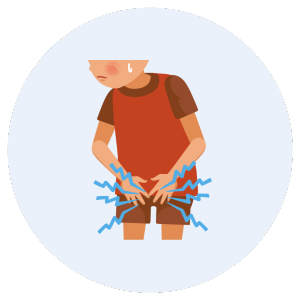
Early Puberty (Precocious Puberty)

Early puberty occurs when a child’s body begins to develop adult characteristics (such as breast development in girls or testicular enlargement in boys) much earlier than usual—before the age of 8 in girls and before the age of 9 in boys.

Symptoms

52

Rapid Hair Growth

53

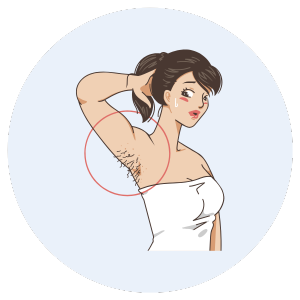
Early Development of underarm hairs

54

body odor

55

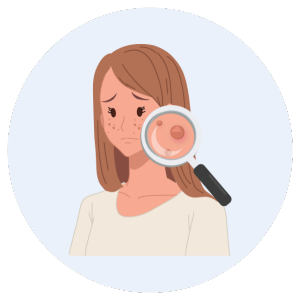
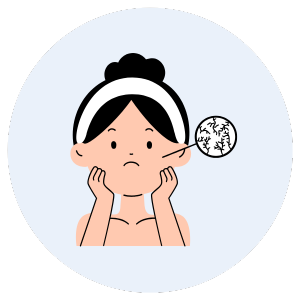
Acne

56

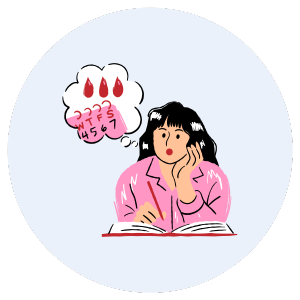
Early Menstruation

57

Facial HAir Growth

The average age for girls to start puberty is 11, while for boys the average age is 12

Delayed Puberty

Delayed puberty is when a child does not show signs of puberty by the age of 13 in girls or 14 in boys. This can happen due to various hormonal or genetic factors.

Symptoms

58

no breast development

59

Delayed menstruation

60

Underdeveloped testicles

61

facial hair growth

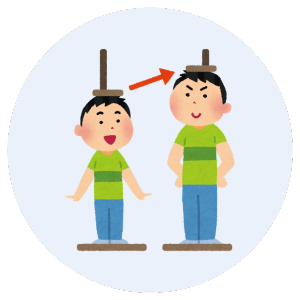
Short Height (Growth Hormone Deficiency)

Short height can result from a deficiency of growth hormone, a critical hormone produced by the pituitary gland that stimulates growth in children. Growth hormone deficiency can lead to stunted growth and delayed development.

Symptoms

62

Slower Age growth

63

immature facial features

64

fat around the waist

65

poor muscle development

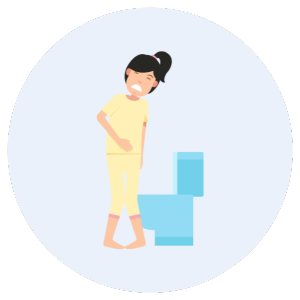
Diabetes in Children

ype 1 diabetes, often diagnosed in children, is a condition where the pancreas produces little or no insulin, a hormone that regulates blood sugar. Type 2 diabetes, although more common in adults, is increasingly affecting children due to rising rates of obesity.

Symptoms

66

frequent urination

67

excessive thirst

68

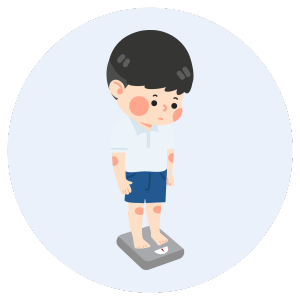
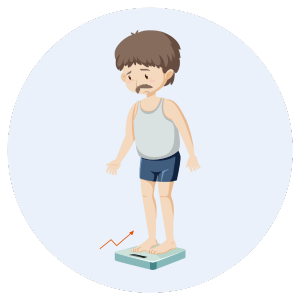
weight loss,

69

infections

Thyroid Disorder in Children

Pediatric thyroid disorders include both hypothyroidism (underactive thyroid) and hyperthyroidism (overactive thyroid). The thyroid gland produces hormones that regulate metabolism, and any imbalance can affect a child’s growth and development.

Symptoms

70

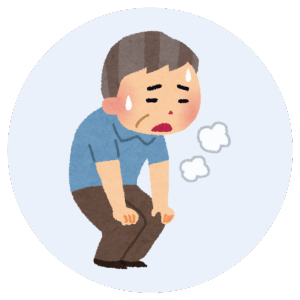
fatigue

71

weight gain/loss

72

dry skin

69

hyperactivity

Rickets

Rickets is a bone disorder caused by a deficiency of vitamin D, calcium, or phosphate, leading to soft and weak bones. It is most common in children who don’t get enough sunlight or have a poor diet.

Symptoms

74

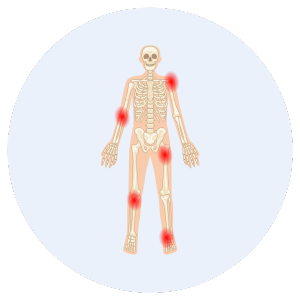
pain in the bones

75

muscle weakness

76

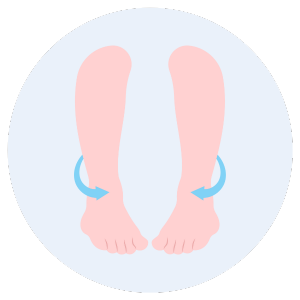
bowed legs

77

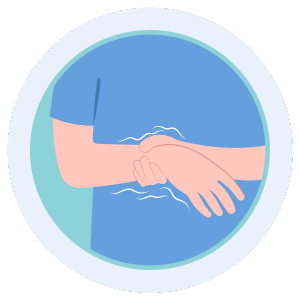
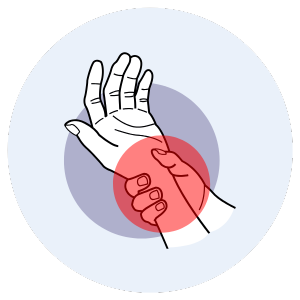
thickened wrists

treatment

Need Assistance? We’re Just a Message Away!