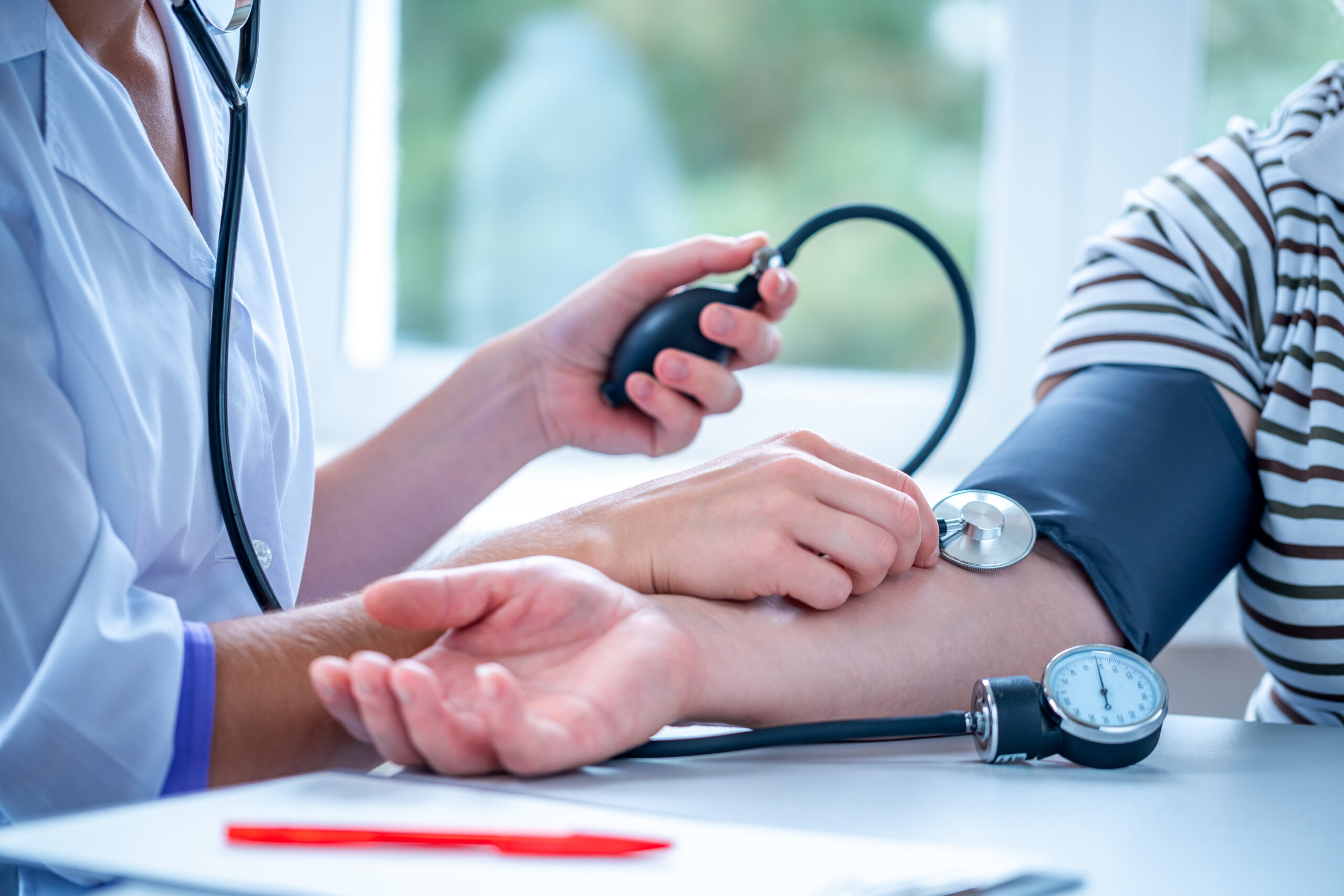
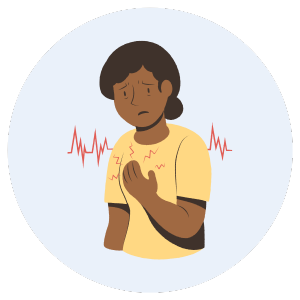
Hypertension is estimated to affect 33 percent of adults aged 30–79 worldwide
Hypertension, commonly known as high blood pressure, occurs when the force of blood against the walls of the arteries is consistently too high. It is a silent condition, often showing no symptoms until it leads to serious health problems.
It is a condition that affects millions globally and increases the risk of serious health issues like heart disease, stroke, and kidney failure. Understanding hypertension and its different stages is essential for effective treatment and prevention of long-term complications. Hypertension is classified into several stages based on blood pressure readings, which help guide the treatment plan.
We provides a comprehensive approach to diagnosing and treating all forms of hypertension, ensuring patients receive the care they need for optimal health.
SYMPTOMS of Hypertension
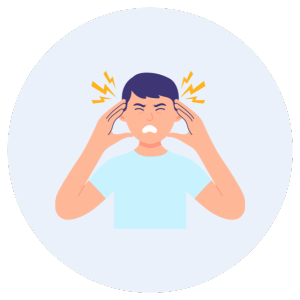
Severe Headaches
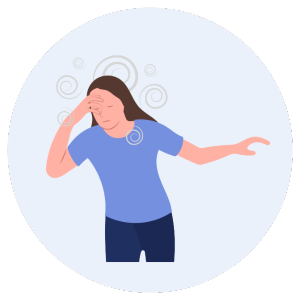
Fatigue / Confusion
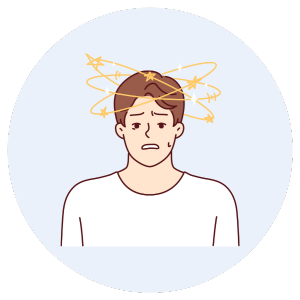
Dizziness / Fainting
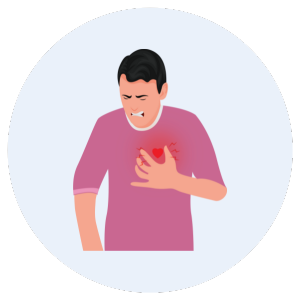
Chest pain
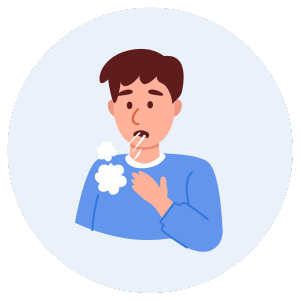
Shortness of breath
Nosebleeds
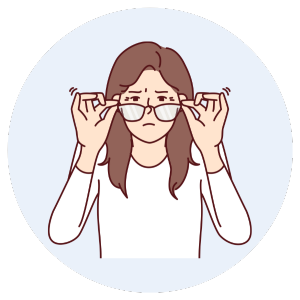
Vision problems
Irregular heartbeat
Did you know ?
There are two types of diabetes, Hypertension in Young & Endocrine Hypertension
Hypertension in young
Hypertension in young individuals refers to elevated blood pressure in people typically under 40 years old. It is often linked to lifestyle factors such as stress, obesity, physical inactivity, high salt intake, and smoking. Other causes may include a family history of hypertension or underlying conditions like kidney disorders. This type of hypertension is concerning because it can go unnoticed and lead to long-term damage, including heart disease or stroke, if untreated. Early diagnosis, lifestyle modifications, and, in some cases, medications are essential to manage hypertension in young individuals effectively.
Endocrine Hypertension
Endocrine hypertension results from hormonal imbalances caused by disorders of the endocrine system. Conditions such as hyperaldosteronism, pheochromocytoma, Cushing’s syndrome, and thyroid dysfunction can elevate blood pressure. These disorders interfere with the regulation of hormones like aldosterone, cortisol, and catecholamines, which control blood pressure and fluid balance. Endocrine hypertension is often resistant to standard treatments and requires addressing the underlying hormonal condition. Diagnosis involves blood tests, imaging studies, and hormone analysis. Treatment includes targeted therapies like medications or surgery to correct the hormonal imbalance, improving blood pressure control and overall health.
How is hypertension Treated?
We provide a comprehensive approach to treating hypertension, focusing on long-term management and prevention of complications. Treatment options include:
Lifestyle Changes
Dietary Modifications: We recommend a heart-healthy diet rich in fruits, vegetables, whole grains, and low in salt and saturated fats. The DASH (Dietary Approaches to Stop Hypertension) diet is particularly effective.
Regular Exercise: Physical activity helps lower blood pressure by improving heart health and reducing excess weight.
Stress Reduction: Techniques such as yoga, meditation, and deep breathing exercises can help manage stress and reduce blood pressure.
Medications
Diuretics: Help remove excess sodium and water from the body, reducing blood pressure.
Beta-Blockers: Reduce the heart rate and the heart’s workload.
ACE Inhibitors and ARBs: Help relax blood vessels by blocking the formation of chemicals that tighten the arteries.
Calcium Channel Blockers: Prevent calcium from entering the heart and artery cells, lowering blood pressure.